- The Noodle Network
- Posts
- 🍜 Anthropic sues the Pentagon..
🍜 Anthropic sues the Pentagon..
The Pentagon is now getting sued, Microsoft is charging more, and an OpenAI just walked out the door...
Welcome, Noodle Networkers.
The Pentagon is now getting sued by an AI lab, Microsoft is charging more to let Word think for you, and an OpenAI hardware boss just walked out the door. Yes all in the same week. Anthropic just sued the Pentagon after being blacklisted over its AI restrictions. The company says the government basically labeled it a “supply chain risk” after it refused to loosen rules on how its models could be used. When an AI lab and the Department of Defense start arguing in court, you know the group chat got serious fast. ⚖️ Meanwhile Microsoft is rolling out a pricier Office tier stuffed with Copilot AI features. Word can now draft, Excel can analyze, and PowerPoint can design slides while you pretend you were the one who worked all night. The only thing getting heavier might be the subscription bill. 💼 And an OpenAI hardware chief quit after the Pentagon deal stirred internal debate. When the person helping build the robots suddenly says “I’m stepping away,” the meeting notes probably got very quiet. 🤖 From courtroom showdowns to AI coworkers getting promoted inside Office to executives quietly exiting the building, the AI timeline remains beautifully unpredictable. Let’s dig in.
In today’s AI digest:
Anthropic sues the Pentagon after getting blacklisted ⚖️
Microsoft launches a pricier Office tier with Copilot AI 💼
An OpenAI hardware chief quits over the Pentagon deal 🤖
Read time: 5 minutes
WHAT’S HAPPENING TODAY
Sponsored by HubSpot
Discover how you can leverage ChatGPT to boost efficiency, streamline tasks, and stay ahead in your industry. Supercharge your productivity with HubSpot's comprehensive guide.
Anthropic AI

(source: TheGuardian)
⚖️ The Digest: Anthropic is suing the Pentagon after the Defense Department threatened to blacklist the company over restrictions on how its AI can be used. The dispute boils down to one awkward question: should the military be allowed to use AI for anything it wants, or should the AI company get a say? Apparently the answer is now “see you in court.”
Key Details:
🛑 The Guardrail Fight
Anthropic refuses to allow its AI model Claude to be used for mass surveillance of Americans or fully autonomous weapons. The Pentagon says the military should be able to use the technology for any lawful purpose. That disagreement escalated from tense meetings to a legal showdown.
⚠️ Threat of Blacklisting
Defense officials floated labeling Anthropic a “supply chain risk,” a designation normally aimed at companies tied to foreign adversaries. That label could block defense contractors from working with the company at all, which is the corporate equivalent of being banned from the cafeteria.
💰 A Contract on the Line
The clash also puts a roughly 200 million dollar Pentagon contract at risk. Anthropic wants strict limits on how its AI is used, while the military wants fewer restrictions. It is basically a negotiation between “build safe AI” and “please remove the safety label.”
🧠 Philosophy Meets Defense Policy
The Pentagon argues that companies should not dictate military policy. Anthropic argues that companies should not build tools that could be used for autonomous killing machines. Somewhere in the middle is a very confused lawyer trying to explain neural networks to a federal judge.
Why It Matters: This case could shape how AI companies work with governments for years to come. If the Pentagon wins, AI firms might have to loosen their safety rules. If Anthropic wins, tech companies could have more control over how their models are used. Either way, the AI arms race just added a new battlefield, and it is a courtroom with a lot of very nervous engineers watching.

(source: CNBC)
💼 The Digest: Microsoft just launched a new Microsoft 365 Premium tier that bundles its Copilot AI directly into Word, Excel, Outlook, and PowerPoint. The price is about $19.99 per month, which means your office software now comes with an AI coworker and a slightly bigger bill. Apparently Microsoft looked at everyone paying for ChatGPT and thought, “we can do that too.”
Key Details:
🤖 Copilot Moves Into Your Documents
The new plan integrates Copilot across Office apps so it can draft emails, summarize meetings, build slides, and analyze spreadsheets automatically. In other words, the intern just got upgraded to a robot that never complains about the coffee machine.
💰 The AI Subscription Era
Microsoft 365 Premium costs roughly the same as ChatGPT Plus, showing that AI is officially the new monthly subscription category. Soon your budget might include rent, Netflix, and “the AI that writes your reports.”
📊 More Features, Fewer Excuses
The premium plan includes higher Copilot usage limits, new tools like Researcher and Analyst, plus the usual Office apps and cloud storage. Translation: if your presentation still looks terrible, you can no longer blame the software.
🧠 AI Inside the Office Ecosystem
Microsoft is embedding Copilot deeper into its productivity stack as part of a broader push to monetize AI investments and dominate workplace software. Because if your job runs on Word and Excel, Microsoft would very much like your AI to run there too.
Why It Matters: Office software used to help you type documents. Now it writes them, summarizes them, and probably understands them better than you do. Microsoft is betting that once workers experience AI doing half their job, they will happily pay the subscription. And if they do not, Copilot can probably draft the complaint email about the price increase.
OpenAI
(source: YahooFinance)
🤖 The Digest: OpenAI just lost one of its top hardware leaders after cutting a Pentagon deal, which is a pretty strong sign that the company’s defense pivot is not exactly winning “best internal vibes” right now. Nothing says workplace tension like building the future on Monday and resigning over it by Friday.
Key Details:
🚪 A High Profile Exit
Caitlin Kalinowski, who led OpenAI’s hardware and robotics efforts, stepped down after the Pentagon partnership was announced. Her departure quickly turned the deal from a policy debate into a full-blown headline generator.
⚠️ The Breaking Point
Kalinowski said surveillance without oversight and autonomous weapons without meaningful human control were red lines for her. That is a very polite way of saying, “this is where I get off the rocket ship.”
🪖 What The Deal Actually Means
OpenAI’s agreement involves deploying AI tools on classified government systems for U.S. national security work. Supporters call that responsible defense collaboration. Critics hear “classified AI” and immediately start checking whether the sci fi movies were actually documentaries.
🧠 A Bigger Tech Industry Fault Line
The resignation shows how split AI labs are becoming over military work. Some employees see defense contracts as strategic and inevitable. Others see them as the fastest route from helpful chatbot to “please do not let the drone improvise.”
Why It Matters: This is not just one executive leaving. It is a preview of the identity crisis hitting the whole AI industry. Every major lab wants to shape the future, but the room gets awkward fast when that future includes a Pentagon badge. The real question now is not whether AI will be used in defense. It is how many people will quit before everyone agrees on where the line is.
THE NOODLE LAB
AI Hacks & How-Tos
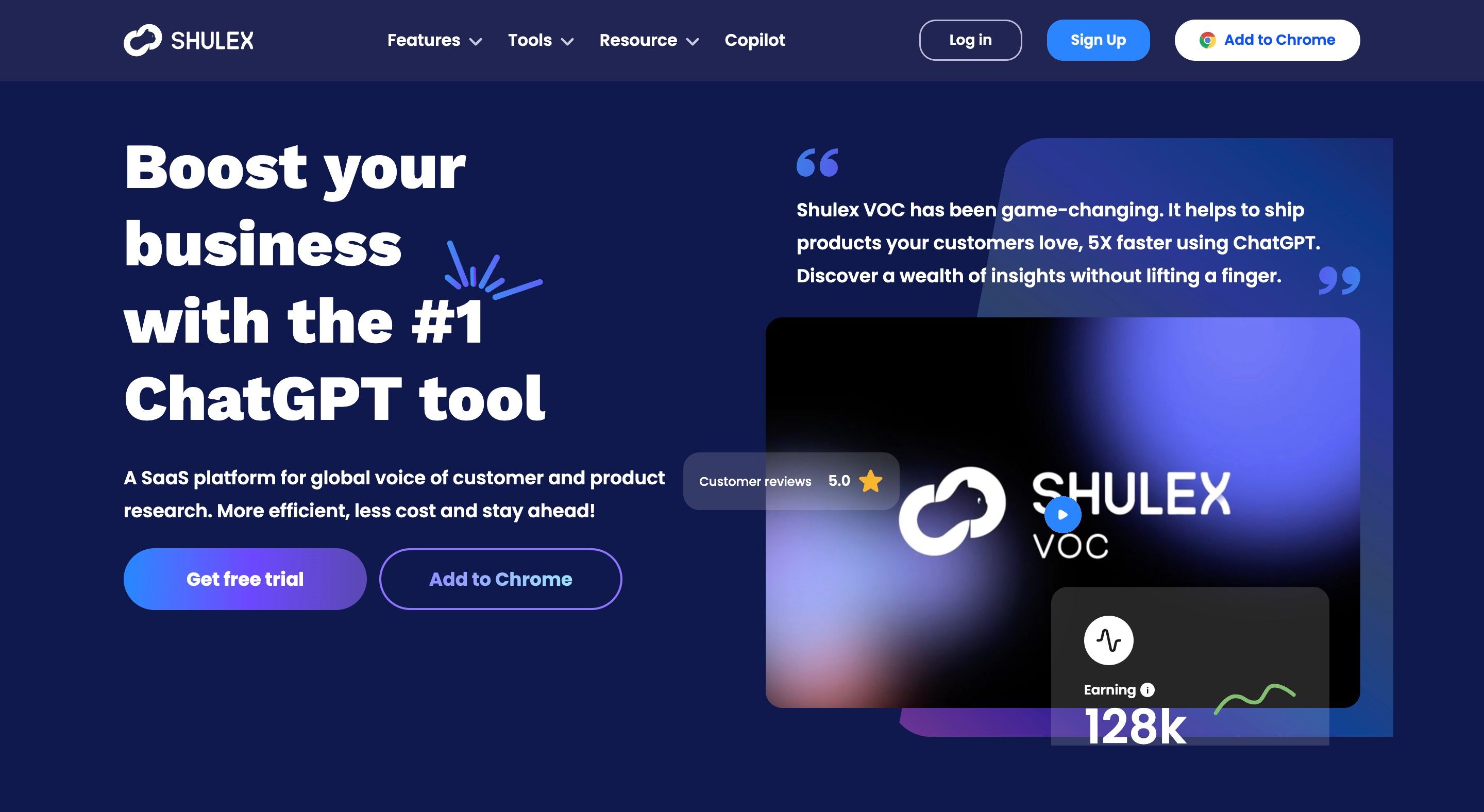
Shulex VOC is an AI tool that analyzes customer reviews and feedback to uncover product insights quickly. It scans thousands of reviews from ecommerce platforms and summarizes what customers like, dislike and expect from a product. These insights help businesses improve products, refine listings and understand real customer needs.
How to Use It 🧭
1. Connect Your Product Data
Sign up for Shulex VOC and add the product you want to analyze such as an Amazon listing.
Pro tip: Choose products with many reviews to get richer insights.
2. Collect Customer Reviews
The platform gathers reviews and feedback from ecommerce platforms and other sources.
Pro tip: Include competitor products to compare customer sentiment.
3. Run AI Review Analysis
Start the analysis and let the AI process the review text. It identifies themes, sentiment and common customer concerns.
Pro tip: Pay attention to repeated complaints since they often reveal product improvement opportunities.
4. Explore Customer Insights
Review dashboards showing buyer motivations, feature requests and customer expectations.
Pro tip: Look for patterns that show what customers value most.
5. Apply Insights to Product Strategy
Use the findings to improve product design, update marketing messages or refine your product listing.
Pro tip: Reanalyze reviews regularly to track changing customer feedback.
Shulex VOC helps businesses transform large volumes of customer feedback into clear insights so teams can make smarter product and marketing decisions faster.
Trending AI Tools
Revelio – Automates radiology image analysis with AI.
Shulex VOC – Analyzes customer reviews and feedback to find product insights fast.
Sellesta – Optimizes Amazon listings with AI-powered keywords, SEO, and review analysis.
SheetGod – Turns plain English into Excel formulas, macros, and spreadsheet automations.
RunDiffusion – Cloud platform for creating AI images and videos without installing anything.
What'd you think of today's email? |